
The Digital Safety Festival 2026 concluded with a unified commitment among partners towards implementation of measures aimed at ensuring protection of children online in Uganda.
The Festival held under the theme; a clean digital footprint was hosted by High Sound for Children Uganda, targeted at students from the Kampala Metropolitan region.
Speaking at the opening of the Festival, the Executive Director High Sound for Children Uganda Ms Hadijah Mwanje appealed for increased investment towards empowering young people with the necessary skills to navigate digital spaces safely.
“The need is enormous and targeted investment is needed now more than ever towards empowering the young people in Uganda, to enable them utilize digital spaces while safely navigating the dangers faced. We extend deep thanks to our partners both in government in the civil society for the corporation towards ensuring child online safety. We appeal for increased investment and closer partnership to reach more children, for a digitally empowered generation,” she said.

Speaking at the opening of the Festival, Ms. Angella Nansubuga, from the Gender Technical Unit of the Ministry of Education and Sports said the government recognized the internet as a great learning tool that permits learning beyond the classroom, but cautioned that the vast opportunities presented also come with responsibility and risk.
“The Ministry has put in place the Reporting, Tracking, Referral and Response Guidelines on Violence against Children in Schools and these apply to violence that happens online just as they apply violence in the classroom or dormitory. Uganda’s laws including the Children’s Act, the Data Protection and Privacy Act and the Computer Misuse Act as amended, protect you and those who abuse children online can and will be held accountable,” said Ms. Nansubuga added.
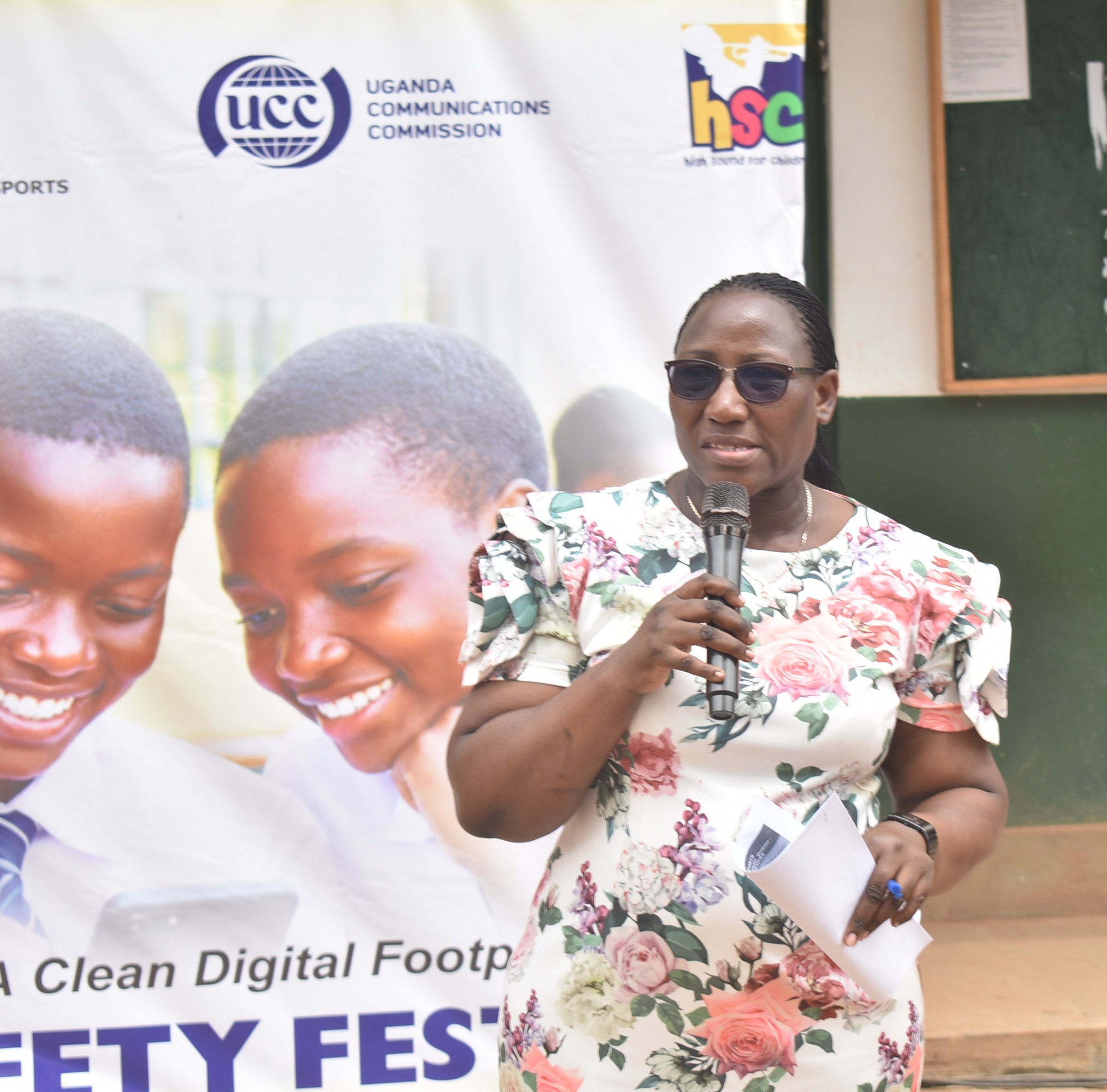
Speaking on behalf of the Uganda Communications Commission, Mr. Kenneth Tweheyo, Manager Consumer Affairs said the Commission is working with technology companies, telecommunications operators, internet service providers and digital platforms to prioritize child safety in the design of their operations.
“They must provide safer digital environments, accessible reporting mechanisms, timely responses to harmful content and appropriate safeguards against online abuse and exploitation,” said Mr. Tweheyo.

The Festival included practical sessions aimed at empowering young people with the necessary skills towards ensuring a clean digital footprint now and in their future. Topics covered included online sexual exploitation of children, content creation and AI, digital safety and mental health, among others.