
Experts explain that spina bifida is a neural tube defect, a birth disorder that occurs when there are problems with the spine, spinal cord, and surrounding nerves.
This condition can develop anywhere along the spine and is permanent and incurable.
Living with spina bifida is often difficult, although many children can live into adulthood with proper treatment and care. People with this condition have an estimated mean age of 40 years, but scientific evidence indicates that life expectancy is determined by the level of disability and the severity of the condition.
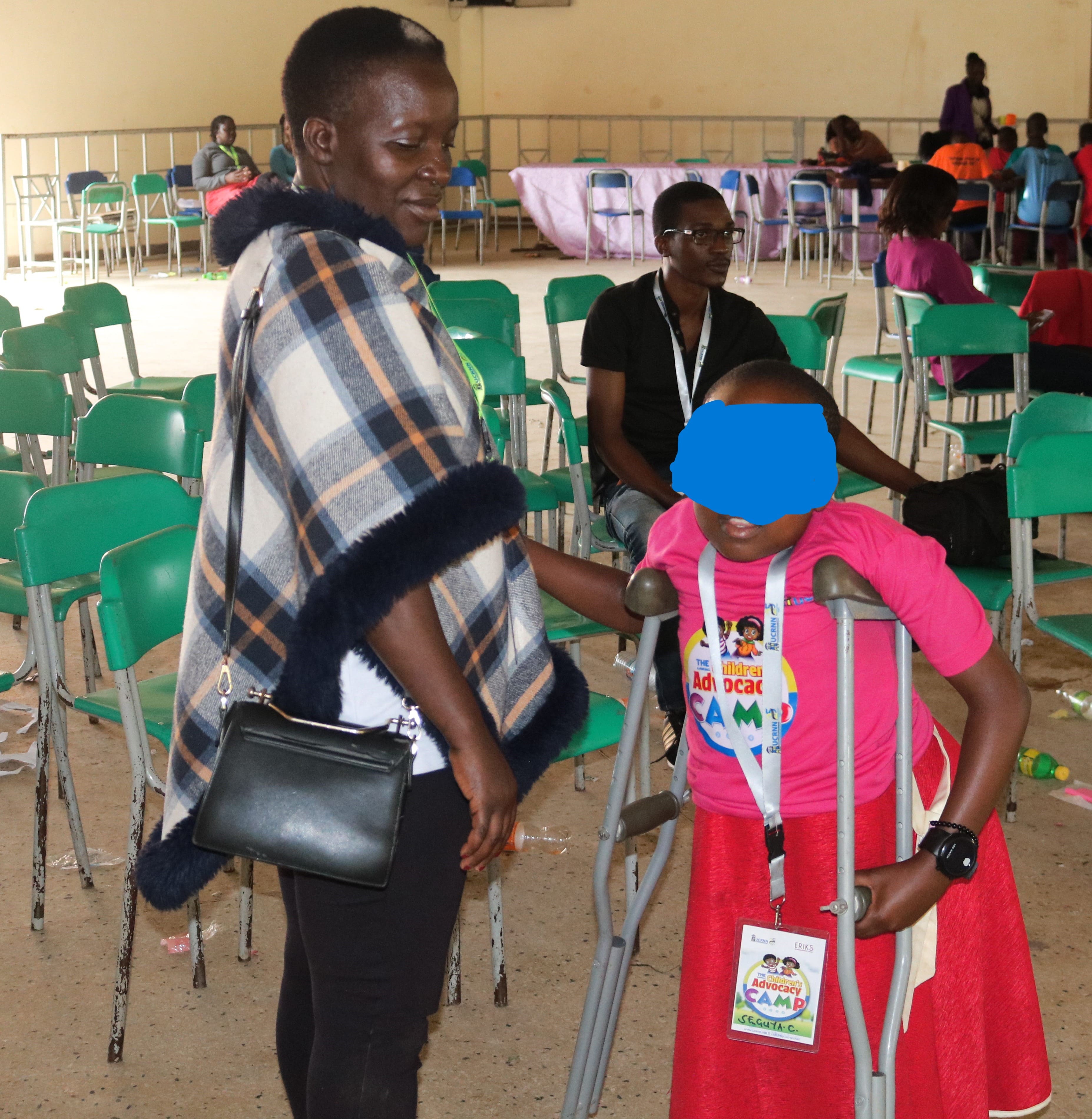
In Uganda, 10 in every 1,000 babies are born with spina bifida, according to figures from the National Institutes of Health. It is estimated that 1,400 children are born with the defect annually. According to medicinenet.com, spina bifida is caused by a deficiency of folic acid during the first 21 to 28 days of pregnancy, and thus its intake can prevent the condition.
Thirteen-year-old Christine is one of the children battling spina bifida in Uganda. Christine has experienced a difficult life living with her grandmother after her parents separated.
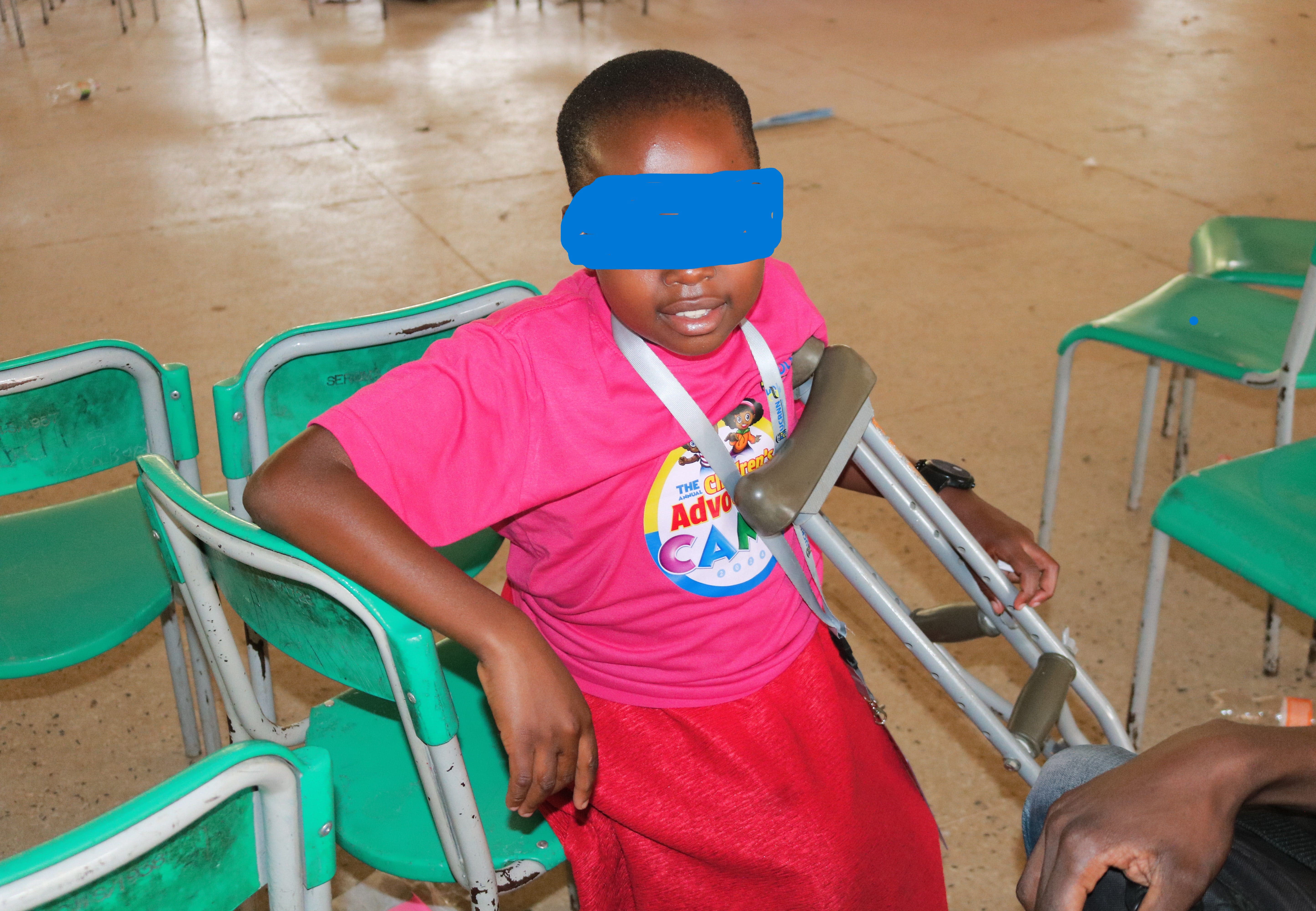
A combination of problems—spina bifida and financial struggles at home—pushed her out of school. "My dad is a drunkard. I don't go to school. I last studied in 2020 in Primary Three after my grandmother, who was taking care of me, died," Christine narrated.
Spina bifida is characterized by kidney problems and an inability to control bowel and bladder functions, making it hard to associate with others in an educational environment. Christine recalls a day when a teacher severely punished her, causing head injuries that worsened her health and made it difficult to stand upright. This horrific experience discouraged her from attending school.
"I now want to go to school, study to become a nurse, and offer treatment to those in need," she said.
Fortunately, the Spina Bifida and Hydrocephalus Association Uganda (SHAU) picked Christine from the village to provide treatment and rehabilitation, thus reviving her dream of education. This non-profit and child rights organization creates awareness about spina bifida and offers support to children born with the defect in terms of treatment and education.