
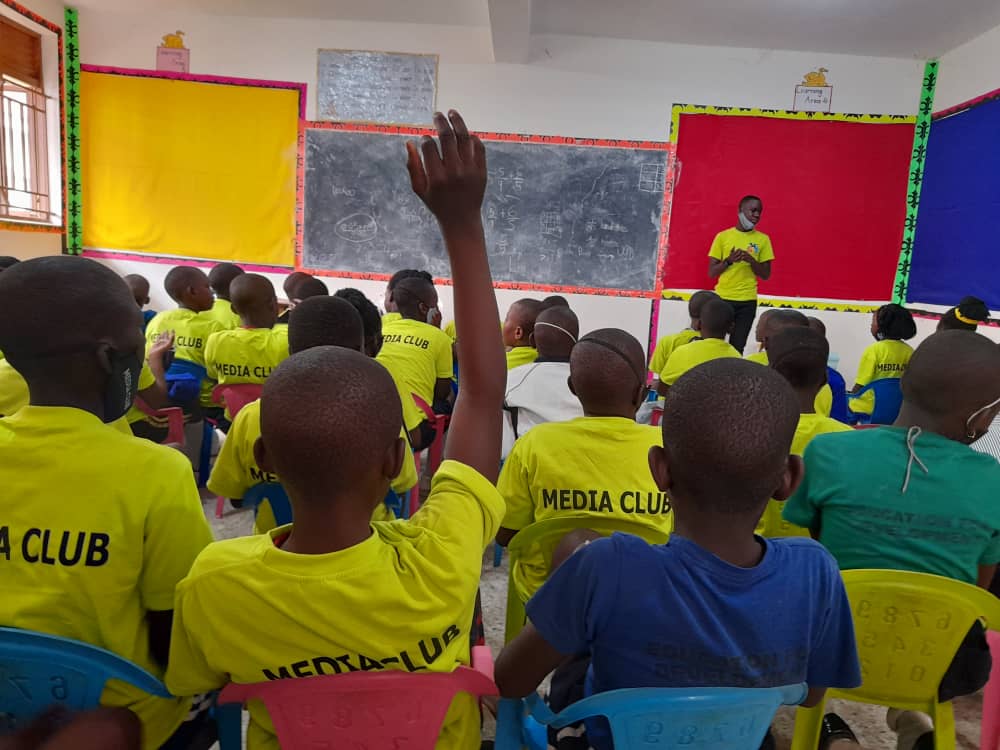
In the heart of Africa lies Uganda, a nation rich in culture, history, and potential. Its rolling green landscapes and bustling cities are home to millions of children, each one brimming with dreams and aspirations.
These children, the future of Uganda, hold within them the promise of a brighter tomorrow. However, for many, the path to realizing their dreams is hindered by a significant barrier: access to quality education.
Education is more than just the imparting of knowledge. It is the foundation upon which societies are built. It empowers individuals to break the cycle of poverty, fosters innovation, and cultivates leaders who can navigate and solve the complex challenges of our time. For Uganda, investing in education is not merely a choice; it is a necessity.
Despite notable efforts and progress, many Ugandan children, especially those in rural areas, face obstacles that prevent them from accessing education. Factors such as inadequate infrastructure, lack of trained teachers, and insufficient learning materials impede their educational journey. Moreover, economic hardships force some families to prioritize immediate survival over long-term educational goals, leading to high dropout rates.
As Uganda joins the rest of Africa to commemorate the Day of the African child under the theme, education for all children, High Sound for children appeals to government to champion a transformative agenda that makes education accessible to every child. Here are key areas where government intervention can make a significant impact:
- Infrastructure Development: Invest in building and renovating schools, particularly in underserved rural areas. Ensure that these schools are equipped with adequate facilities, including classrooms, libraries, and sanitation.
- Teacher Training and Retention: Develop comprehensive programs to train and retain qualified teachers. Provide competitive salaries, continuous professional development, and incentives for teachers working in remote areas.
- Learning Materials: Allocate funds to provide schools with essential learning materials such as textbooks, digital resources, and laboratory equipment. Ensure that these resources are up-to-date and aligned with the national curriculum.
- Addressing Socio-Economic Barriers: Eliminate school fees and provide free textbooks and uniforms to reduce the financial burden on families. Offer scholarships and financial aid to students from low-income families. Implement school feeding programs to ensure children receive adequate nutrition, which is essential for learning.
- Promoting Gender Equality: Address cultural and socio-economic barriers that prevent girls from attending school, such as early marriage and gender-based violence. Provide sanitary facilities and menstrual hygiene management to ensure girls can attend school regularly.
- Inclusive Education: Develop policies that support inclusive education for children with disabilities, ensuring they have access to necessary accommodations and resources.
- Community Engagement: Foster partnerships with local communities, NGOs, and the private sector to support educational initiatives. Engage parents and guardians in the educational process, emphasizing the long-term benefits of education.
The overall goal by government should be a Uganda where every. By making education a top priority, Uganda can pave the way for a future where its citizens are not only well-educated but also empowered to contribute to the nation's growth and prosperity. An educated population is a catalyst for economic development, social progress, and political stability.
We urge the Government of Uganda to take concrete steps to ensure that every child, regardless of their background or circumstances, can attend school and receive a quality education.